



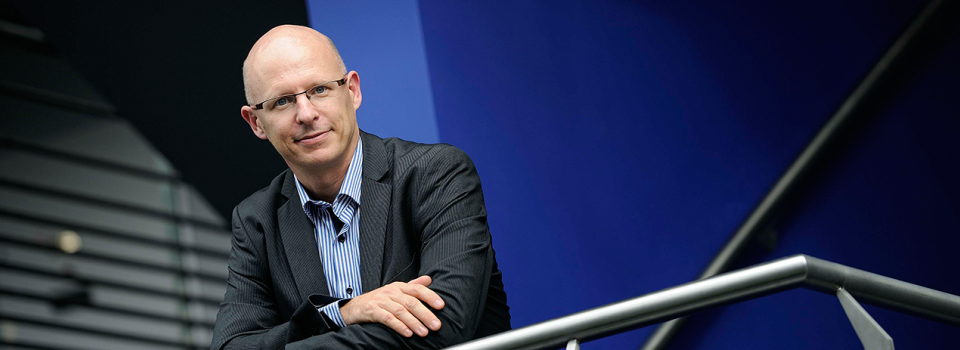
Public Leture at Shanghai Science and Technology Museum.
>> See Chinese text-recording of the Lecture
Abstract:
How a subjective state of consciousness arises from an objective state of brain tissue is often considered as the Holy Grail of neuroscience. As I explain in my recent book “Consciousness and the brain”, in the past twenty years the problem has ceased to be insurmountable. Tens of experimental paradigms, thousands of studies and several theories have begun to address the C challenge. In my conference, I will show how we can use visual illusions, subjective reports, and advances in machine learning to “decode” subliminal images from brain signals and to identify the signatures of consciousness that emerge when these images pop into consciousness. Although much theoretical work will be needed to relate these macroscopic signals to the underlying neuronal computations, those empirical advances are already being transferred to the clinic, where they facilitate the detection of residual consciousness in patients with coma, vegetative state and related disorders.
Biography:
Stanislas Dehaene received his training in mathematics at the École normale supérieure in Paris, then completed a Ph.D. in cognitive psychology with Jacques Mehler, post-doctoral studies with Michael Posner, as well as neuronal modelling studies with Jean-Pierre Changeux. He has been working since 1997 at the Orsay brain imaging center near Paris (Service Hospitalier Frédéric Joliot of the Commissariat à l'Énergie Atomique), where he directs the Cognitive Neuroimaging Unit since 2001. In September 2005 he was elected as a full professor on the newly created chair of Experimental Cognitive Psychology at the Collège de France in Paris.
Stanislas Dehaene's interests concern the cerebral bases of specifically human cognitive functions such as language, calculation, and reasoning. The team uses a variety of experimental methods, including mental chronometry in normal subjects, cognitive analyses of brain-lesioned patients, and brain-imaging studies with positron emission tomography, functional magnetic resonance imaging, and high-density recordings of event-related potentials. Formal models of minimal neuronal networks are also devised and simulated in an attempt to throw some links between molecular, physiological, imaging, and behavioral data.
Stanislas Dehaene's main scientific contributions include the study of the organization of the cerebral system for number processing. Using converging evidence from PET, ERPs, fMRI, and brain lesions, Stanislas Dehaene demonstrated the central role played by a region of the intraparietal sulcus in understanding quantities and arithmetic (the number sense). He was also the first to demonstrate that subliminal presentations of words can yield detectable cortical activations in fMRI, and has used these data to support an original theory of conscious and nonconscious processing in the human brain. With neurologist Laurent Cohen, he also studied the neural networks of reading and demonstrated the crucial role of the left occipito-temporal region in word recognition (the visual word form area).
Stanislas Dehaene is the author of over 100 scientific publications in major international journals. He has received several international prizes including the McDonnell Centennial Fellowship and the Louis D. prize of the French Academy of Sciences (with D. Lebihan). He has published an acclaimed book (The Number Sense), which has been translated in eight languages. He has also edited three books on brain imaging, consciousness, and brain evolution, and has authored two general-audience films on the human brain. He is the associate editor of Cognition, an international journal of Cognitive Science.
- Lecture Hall, Building No.2, Shanghai Science & Technology Museum | 2000 Century Avenue, Pudong New Area, Shanghai
- Metro: Line 2, Shanghai Science & Technology Museum Station